Our Story
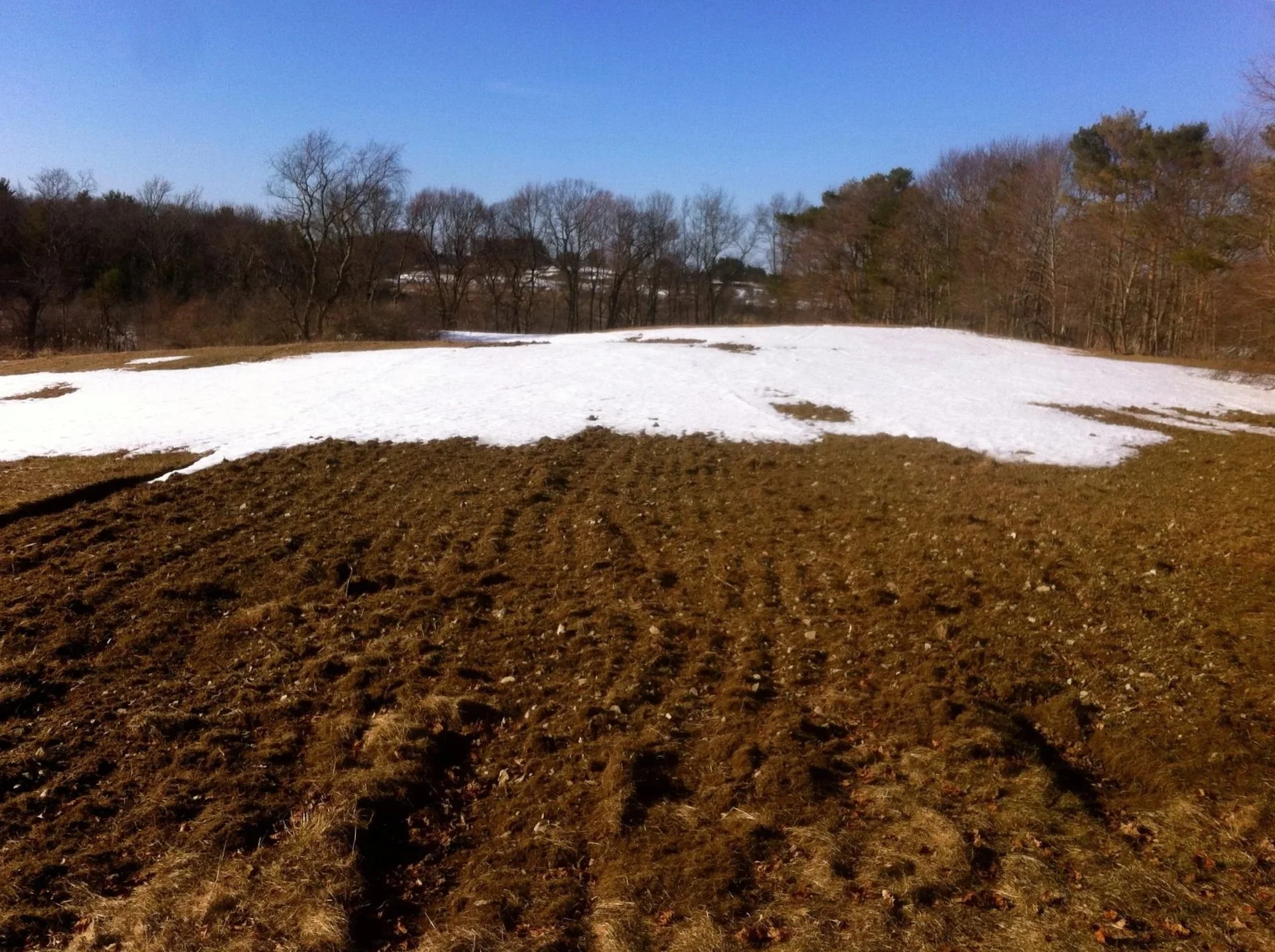
IPSWICH FIELDS IN APRIL 2015, OUR FIRST GROWING SEASON
We farm on rented land in Ipswich and Wenham, and we are looking for a long-term farm home on the North Shore.
We launched in 2015 under the umbrella of Cuvilly Arts and Earth Center on land owned by Sisters of Notre Dame de Namur, formerly the Saracen dairy farm on Jeffreys Neck Road in Ipswich. In 2018 we became an independent organization with our own 501c3 nonprofit status, continuing to grow food there as a tenant of the Sisters.
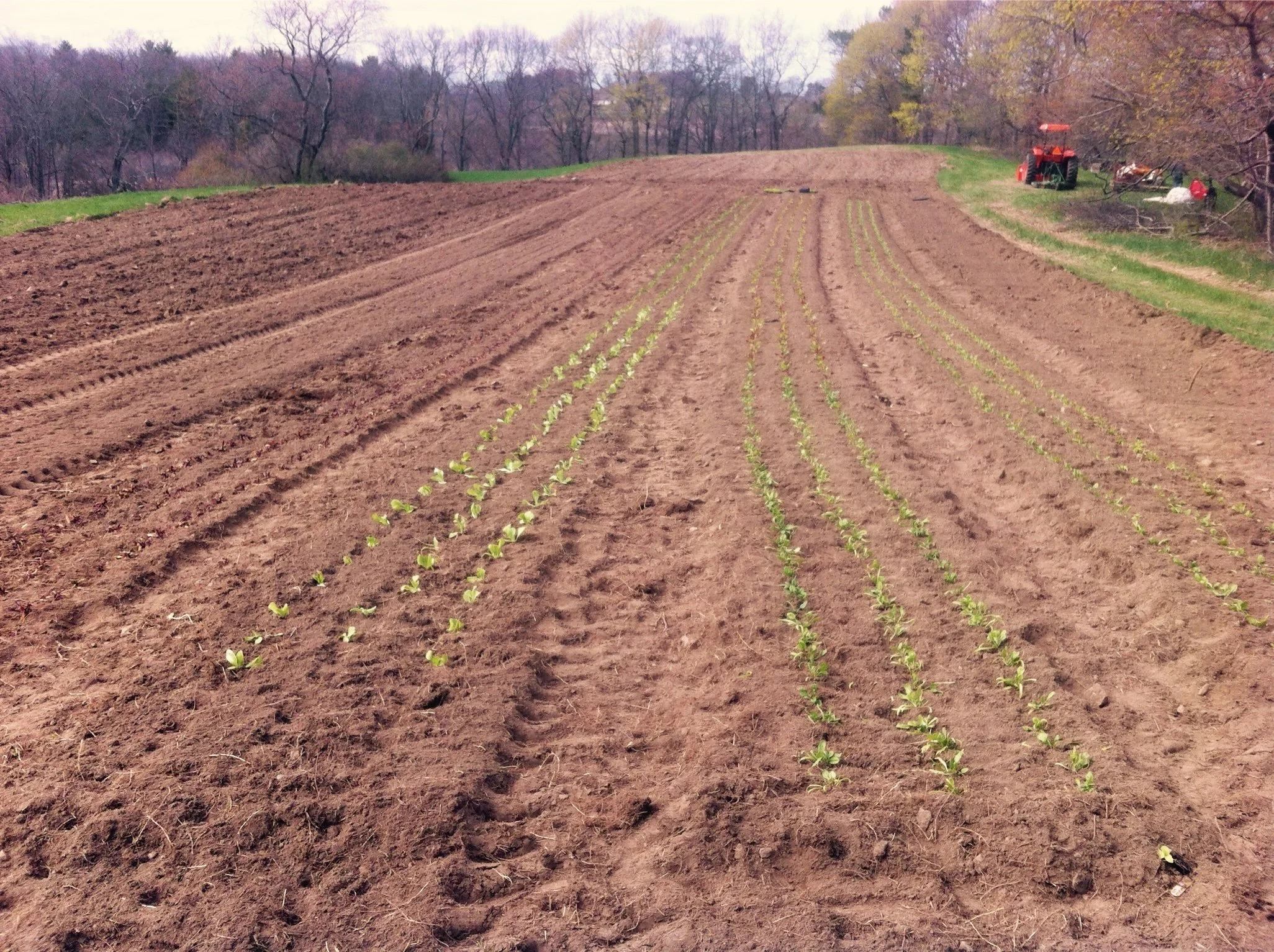
IPSWICH FIELDS IN MAY 2015
In 2024 we added a field on Larch Row in Wenham, owned by the town and across from The Food Project. In fall 2025, we moved our food distribution site, greenhouse for seedlings, and farm offices to downtown Ipswich where we are a tenant of Harborlight Homes.
While we are the most recent caretaker of these pieces of farmland, its history goes much further back. Even if and when we own farmland in the future, we know that land does not truly belong to us.
Changing our Name (updated fall 2026)
Three Sisters Garden Project gets its name from a farming practice originated by the Haudenosaunee tribe, in which corn, beans and squash are three inseparable sisters planted together. We have received thoughtful feedback about our name and have decided to change it for the following reasons:
The term “Three Sisters” co-opts a traditional Indigenous agriculture system that we do not practice. It is not ours to use. People are also confused by this: is the farm owned by sisters in a family? Are we all Sisters of Notre Dame? Are we an indigenous-led farming organization? None of these are the case.
We often get invited to Native American/indigenous farming conferences and panels, or asked to demo the three sisters growing method. We would rather support those efforts as an ally, than do harm to Native communities by using terms and a name that is not ours to use.
We are neither a garden nor a project, but a production-scale farm with long-term goals.
We look forward to changing our name this year to better reflect our values and mission which are not changing: stewarding farmland and feeding our community!
Land history
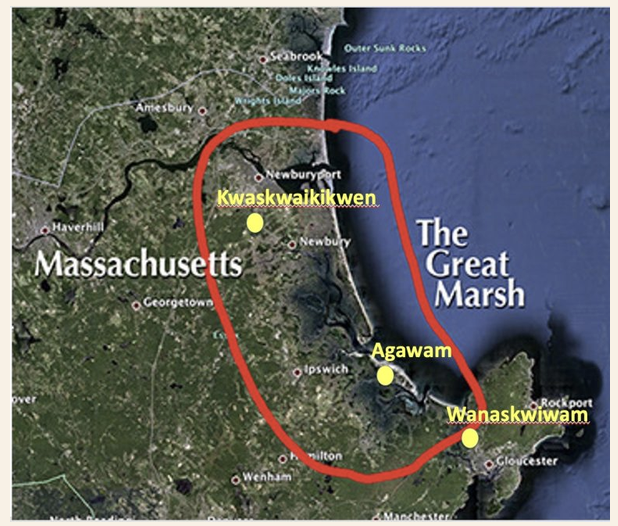
Our Ipswich farm is land historically stewarded and inhabited by the Pawtucket people (Pawtucket translates to “at the falls on the tidal river”). This is the name that the colonial government gave to the Indigenous people of this area, but they likely called themselves “Ninnuock” (nin-oo-ock). Important note: today, most translations of the Pawtucket names in Essex County are not correct. The language we use to describe Indigenous people is rooted in a limited colonial understanding.
The people called the Pawtucket inhabited the area on and around Cape Ann and Essex County in the most recent thousand years. Rivers were vital sites for Indigenous fishing and village locations. Many fished along the Merrimack River, when migrating seasonally between their winter village (called “Wamesit”) in present-day Lowell to villages along Essex County.
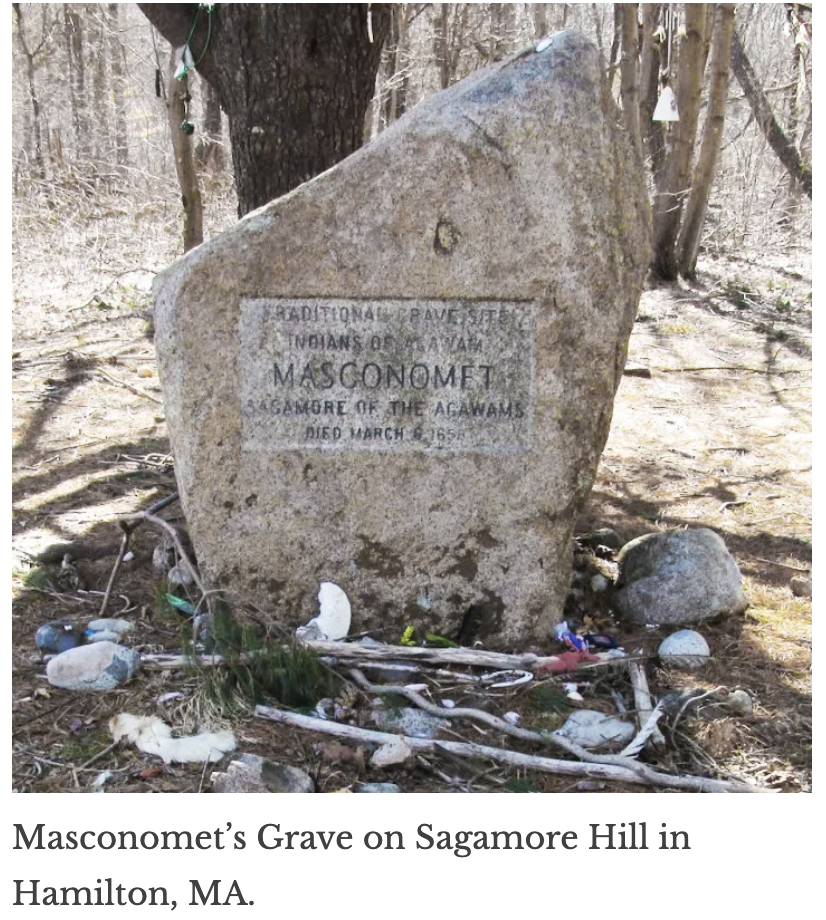
The Pawtucket people valued their relationships with water, wildlife, and land, and had agricultural settlements where they grew corn, squash, beans, sunflowers, and tobacco. The Pawtucket people practiced companion planting, and they also used dry farming methods. They were the original agriculturalists who farmed this land for generations before us.
During the 17th century, the presence of Anglo settlers grew sixfold in North America. Indigenous communities in New England, including the Pawtucket, were murdered, displaced, expropriated from their homelands, and/or placed in assimilation camps. Many Indigenous folks, particularly prisoners of war that fought against the colonial regime, were enslaved and sent into bondage to forcibly work on American-owned plantations in the West Indies - taken from their homes and agricultural practices and forced to labor for others. Margaret Ellen Newell found that colonists "enslaved more than 1,300 [Indigenous people in the 17th century], and that the forced labor augmented the colony during a crucial time in its development.”
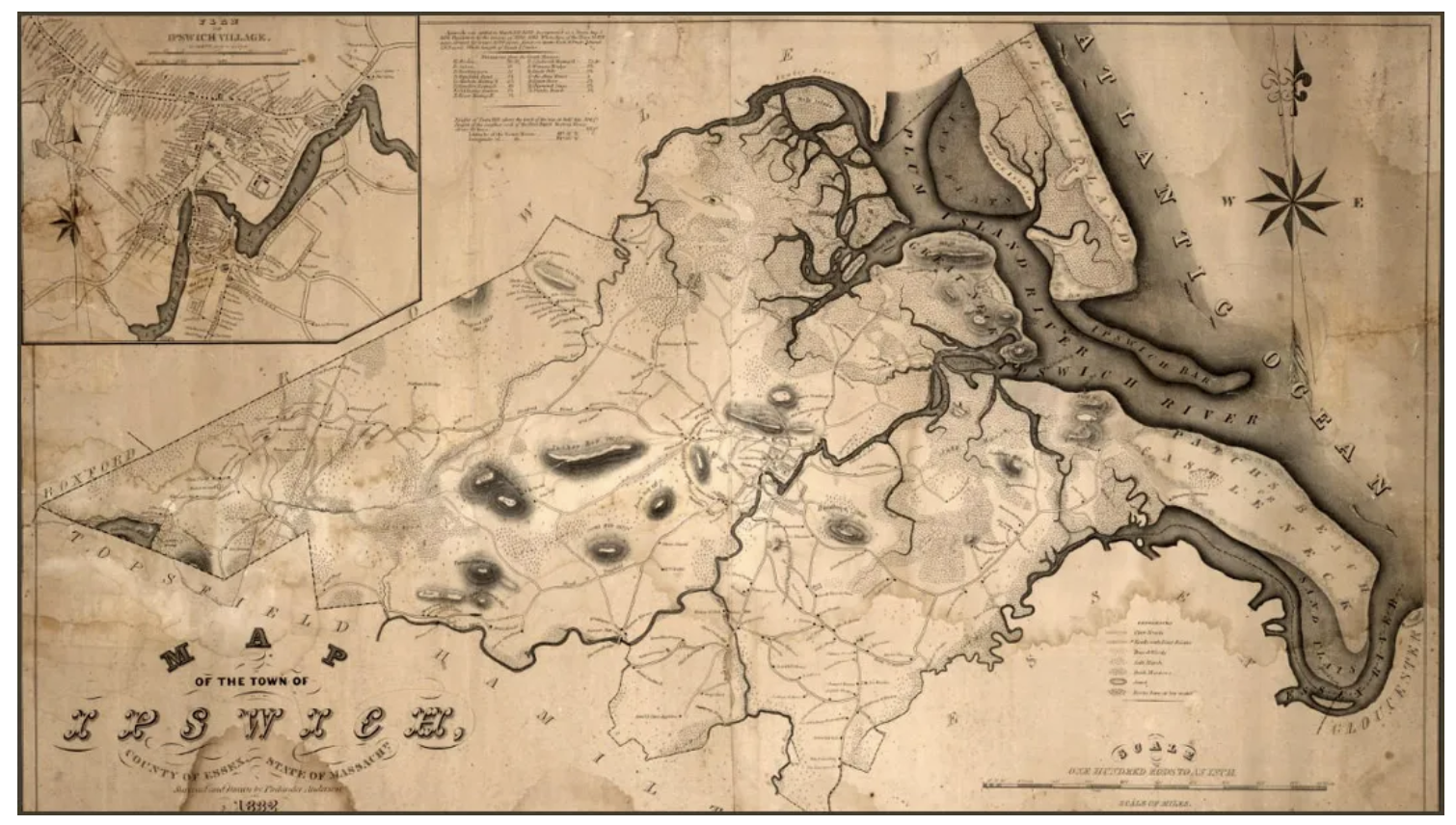
Slavery, thus, was not new by the 18th century. Moreover, during this time, it began growing rapidly as countless Africans and their descendents were enslaved in the U.S. According to Historic Ipswich, nearly every Ipswich family of means had at least one or more enslaved individuals on their property. Ipswich’s current-day wealth was inherently generated through genocidal campaigns, colonial warfare, and enslavement, both abroad and locally. Despite systematic efforts to erase this history, colonization, capitalism, and white supremacy continue to pervade our world and our farming systems.
As a food access organization, we recognize the local history of Indigenous stewardship, practices, and resistance where we farm. We honor Indigenous people’s kinship with the ecosystem and Black liberation, envisioning a world built on food sovereignty, land reciprocity, reparatory justice, and collective care. Whether 400 years ago or today, Black and Indigenous organizers have always fought against state-sanctioned violence to keep communities and natural landscapes safe. It is our responsibility to stand in solidarity with these struggles. We welcome feedback about how we can better hold ourselves accountable to supporting Indigenous communities and decolonizing our food system.
Thank you to 2026 Assistant Farm Managers Alyssa and Hannah for their research and writing of this land history! They credit Roxanne Dunbar-Ortiz’s book An Indigenous Peoples’ History of the United States, Cape Ann Museum’s Native Initiative, Indigenous History of Essex County, Historic Ipswich, the Ipswich Public Library, and Ipswich Archivist and Reference Librarian Heidi Horner for the information used here.